
Learn how to conduct a company background check in Turkey! Expert guide covering MERSIS verification, due diligence processes, and legal requirements for foreign investors.
Turkey attracts billions in foreign investment annually, with over 75,000 foreign-capital companies currently operating within its borders. Yet many investors discover too late that the Turkish company they partnered with or acquired carried hidden liabilities, undisclosed litigation, or questionable ownership structures. A thorough company background check in Turkey is not merely a precaution — it is essential protection for your investment.
Whether you are considering an acquisition, entering a joint venture, or simply evaluating a potential Turkish business partner, understanding how to verify a company’s legitimacy, financial health, and legal standing can mean the difference between a successful venture and a costly mistake. This guide walks you through everything foreign investors need to know about conducting corporate due diligence in Turkey.
What is a Company Background Check in Turkey?
A company background check in Turkey, known locally as “sirket arastirmasi” or “durum tespiti”, involves the systematic examination of a target company’s legal, financial, operational, and compliance aspects. Unlike employee background checks, which focus on individuals, corporate background checks analyze the entire business entity to identify potential risks before significant transactions.
The scope of a Turkish company background check typically includes verification of corporate registration and legal existence, ownership structure and beneficial ownership identification, financial health and outstanding liabilities, litigation history and ongoing legal disputes, tax compliance and regulatory standing, as well as assets and encumbrances such as mortgages or liens.
Turkish Law does not mandate specific due diligence procedures for private transactions. However, the Turkish Commercial Code (TCC) establishes the framework within which companies operate, and prudent investors conduct thorough investigations to protect their interests under general Contract Law principles.
Why Foreign Investors Need Turkish Company Verification
Foreign investors face unique challenges when evaluating Turkish companies. Language barriers create the first obstacle, most official documents, court records, and registry information appear exclusively in Turkish. Beyond language, the legal system operates differently from common law jurisdictions, with specific nuances that can trap unwary investors.
Several high-profile cases have demonstrated the consequences of inadequate due diligence. Investors have discovered post-acquisition that target companies carried undisclosed tax liabilities, ongoing litigation that threatened core assets, or ownership disputes that clouded title to key properties. In some instances, the very existence of the company proved questionable, with fraudulent registration documents concealing shell entities.
The stakes extend beyond financial loss. Foreign investors who unknowingly partner with companies involved in money laundering or sanctions violations face potential criminal liability under both Turkish and home-country laws. Turkey’s Financial Crimes Investigation Board, MASAK, actively enforces anti-money laundering regulations, and foreign businesses bear responsibility for knowing their counterparties.
A comprehensive company background check provides the foundation for informed decision-making and appropriate risk mitigation strategies.
Official Sources For Verifying Turkish Companies
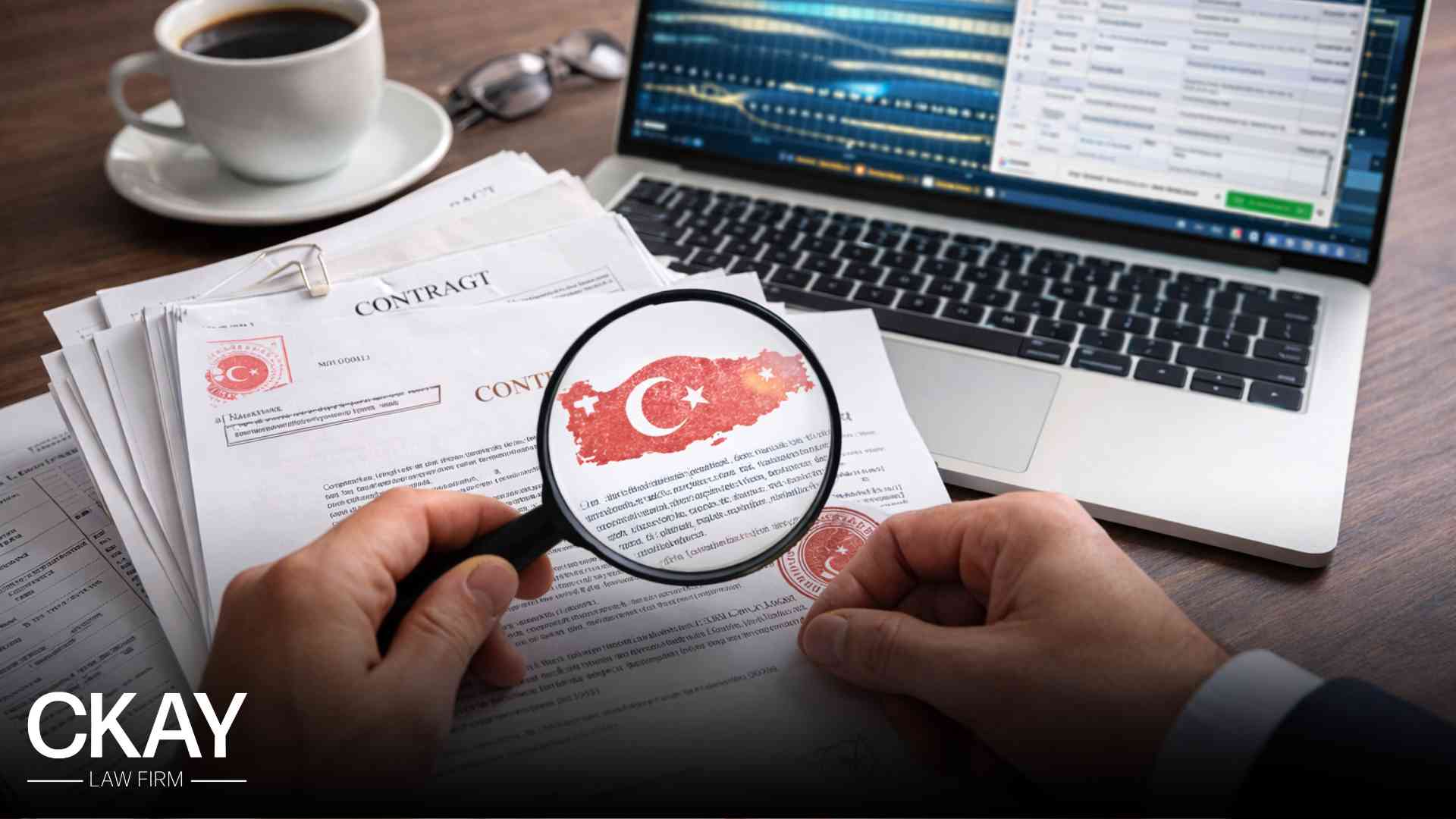
Turkey maintains several official databases and registries that form the backbone of any corporate verification process. Understanding these sources and how to access them is crucial for thorough due diligence.
MERSIS: The Central Registration System
MERSIS, Turkey’s Central Registration System, serves as the primary database for company information. Every legally registered Turkish company receives a unique 16-digit MERSIS number, which functions as the definitive identifier across government systems.
Through MERSIS, investigators can verify a company’s legal existence, registered trade name, legal form (whether Joint-Stock Company or Limited Liability Company), share capital, registered address, board members and authorized signatories, and business activity codes. The system is accessible at mersis.ticaret.gov.tr, though registration is required and the interface operates primarily in Turkish.
For foreign investors, MERSIS verification represents the essential first step. If a company cannot be located in MERSIS, serious questions arise about its legitimacy.
Trade Registry Gazette
The Trade Registry Gazette, or Ticaret Sicili Gazetesi in Turkish, publishes official announcements regarding Turkish companies. All significant corporate events require gazette publication, including company formation and articles of association, capital increases or decreases, changes in board membership or authorized signatories, mergers, divisions, and type conversions, as well as dissolution and liquidation proceedings.
The gazette archive, available at ticaretsicil.gov.tr, provides an English-language interface and allows searches by company name or registration number. Historical gazette publications reveal the evolution of a company’s structure and can uncover changes that warrant further investigation.
UYAP: Court Records and Litigation History
UYAP, the National Judiciary Information System, contains records of court proceedings across Turkey. Access to UYAP enables investigators to identify ongoing litigation involving the target company, court judgments and their enforcement status, bankruptcy filings or proceedings, and enforcement actions (icra takibi) against the company.
Direct UYAP access requires Turkish attorney credentials or access through the e-Devlet government portal. For foreign investors, engaging a Turkish law firm is typically necessary to conduct comprehensive litigation searches.
Additional Verification Sources
Beyond the primary databases, several other sources provide valuable information for corporate verification:
- GIB (Revenue Administration): Tax registration verification and VAT status confirmation,
- TAKPAS/Web-Tapu: Property ownership records, mortgages, liens, and court-ordered seizures,
- Turkish Patent Office: Trademark and patent registrations,
- Chamber of Commerce Records: Company statistics and additional registration data,
- SPK (Capital Markets Board): Financial disclosures for publicly traded companies.
Each source contributes a piece of the complete picture, and thorough due diligence requires consulting multiple databases.
The Due Diligence Process: a Step-by-Step Approach
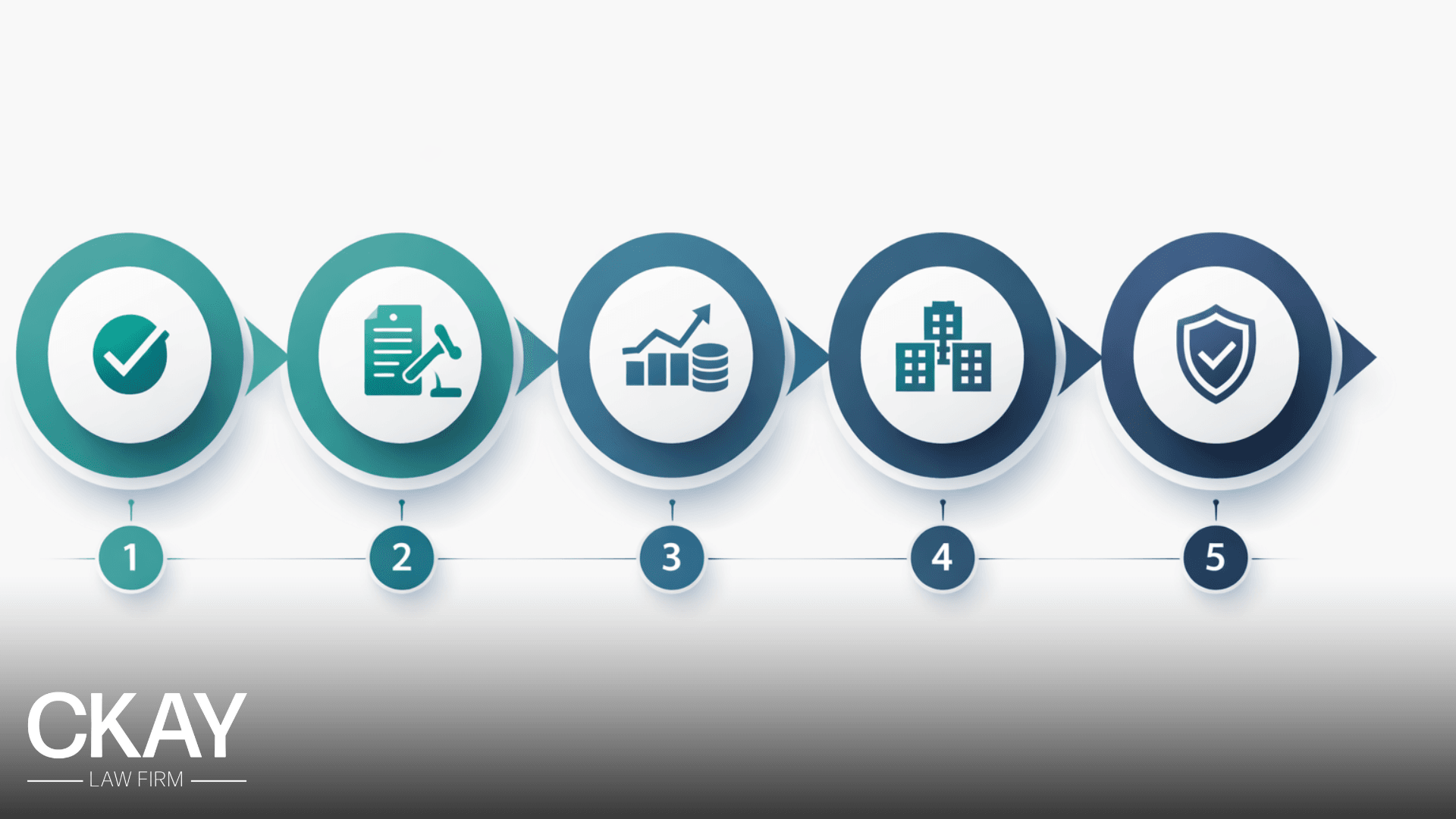
Effective company background checks in Turkey follow a structured methodology that builds understanding progressively. While specific approaches vary based on transaction size and risk profile, most investigations proceed through distinct phases.
Phase One: Preliminary Verification
The initial phase focuses on confirming basic facts about the target company. Investigators verify the company’s existence in MERSIS, confirm the MERSIS number matches company documentation, check Tax ID registration with GIB, and review recent Trade Registry Gazette publications. This phase typically requires one to two business days and establishes whether the company exists as represented. Discrepancies at this stage warrant immediate attention before proceeding further.
Phase Two: Legal Due Diligence
Legal due diligence examines the company’s corporate structure and legal standing in depth. Key areas include review of articles of association and any amendments, examination of shareholder agreements and voting arrangements, assessment of material contracts and their terms, comprehensive UYAP searches for litigation history, verification of intellectual property rights and registrations, and confirmation of regulatory licenses and permits. This phase typically requires three to seven business days, depending on the complexity of the corporate structure and volume of contracts requiring review.
Phase Three: Financial and Tax Due Diligence
Financial investigation examines the company’s economic health and compliance status. Areas of focus include analysis of financial statements and accounting records, review of tax compliance and outstanding liabilities, assessment of debt structure and creditor relationships, and verification of pledges, guarantees, and security interests. For companies of significant size, this phase may require coordination with financial auditors and tax specialists. Timeline typically ranges from five to ten business days.
Phase Four: Asset Verification
Asset verification confirms that the company actually owns what it claims to own. Through TAKPAS land registry searches, investigators verify real estate ownership and identify any encumbrances such as mortgages, liens, or court-ordered seizures. Similar verification applies to significant movable assets, intellectual property, and other valuable holdings. This phase generally requires three to five business days.
Phase Five: Beneficial Ownership and Integrity Checks
The final phase identifies the individuals who ultimately control the company and assesses reputational risks. Under Turkish regulations, beneficial owners holding 25% or more must be disclosed, though ownership structures sometimes obscure true control. Integrity checks include sanctions screening against OFAC, UN, and EU lists, adverse media searches in Turkish and international sources, and assessment of politically exposed person (PEP) relationships. This phase typically requires two to five business days.
What Information Can Be Obtained?
A comprehensive company background check in Turkey can reveal extensive information about the target entity. Understanding what is discoverable helps investors set appropriate expectations and identify gaps that may require alternative investigation methods.
Corporate Structure Information
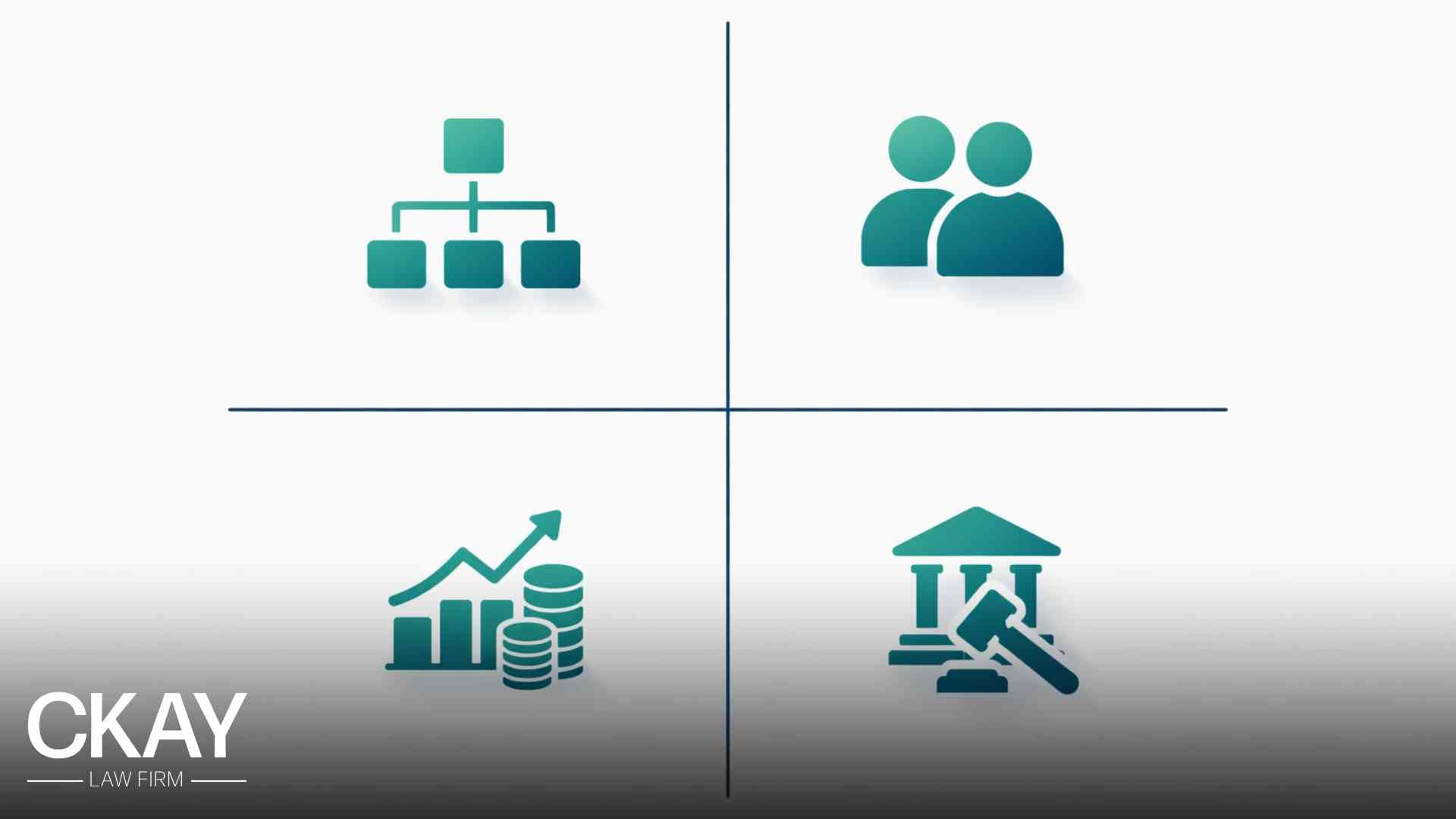
Available information includes trade name and any registered trade aliases, company registration number and MERSIS number, date of incorporation and current legal status, legal form (Anonim Sirket or Limited Sirket), registered share capital and paid-in capital, registered address and branch locations, articles of association and all amendments, as well as authorized business activities by NACE code.
Ownership and Governance Details
Shareholder information disclosure varies by company type. Limited liability companies (Ltd. Sti.) must disclose all shareholders publicly, while joint-stock companies (A.S.) maintain share registries that may not be fully public. Regardless, thorough investigation can typically identify board members and their backgrounds, authorized signatories and signature powers, beneficial ownership where traceable, and historical changes in ownership or control.
Financial Health Indicators
Depending on the company’s size and public status, available financial information may include balance sheets and income statements, tax compliance certificates, outstanding tax liabilities or disputes, audit reports for larger companies, and credit reports from commercial bureaus.
Legal Standing and Disputes
Legal investigation can reveal ongoing civil litigation and historical judgments, enforcement proceedings and their status, bankruptcy filings or related proceedings, administrative disputes with regulatory bodies, and criminal proceedings involving the company or its officers.
Common Challenges in Turkish Company Verification
Foreign investors consistently encounter certain obstacles when conducting company background checks in Turkey. Recognizing these challenges enables better preparation and appropriate resource allocation.
Language and Documentation Barriers
The most immediate challenge involves language. Official documents appear in Turkish, legal terminology follows civil law conventions unfamiliar to common law practitioners, and translation alone may not capture legal nuances. Even machine translation struggles with specialized legal vocabulary.
Effective due diligence requires not merely translation but interpretation by professionals who understand both Turkish legal concepts and the investor’s home jurisdiction requirements.
Database Access Limitations
While Turkish government databases have modernized significantly, access often requires Turkish identification credentials or professional licenses. UYAP court records require attorney access, TAKPAS property searches require registered users, and even MERSIS may present navigation challenges for those unfamiliar with the system.
Foreign investors typically cannot conduct direct searches and must rely on Turkish legal counsel for database access.
Information Gaps and Verification Challenges
Turkish disclosure requirements, while improving, do not match those in some other jurisdictions. Private companies need not publish audited financial statements, beneficial ownership may be obscured through holding structures, and some historical records may be incomplete or difficult to locate. Skilled Turkish investigators know how to work around gaps, using multiple sources to triangulate information and identifying when independent verification is necessary.
Red Flags That Warrant Deeper Investigation
Experience reveals certain warning signs that should trigger enhanced scrutiny during Turkish company background checks:
- Recent changes in ownership or management without clear business rationale,
- Inconsistencies between MERSIS registration and company-provided documents,
- Multiple enforcement proceedings or a pattern of litigation,
- Discrepancies between claimed financial position and available records,
- Reluctance to provide standard documentation or allow verification,
- Complex ownership structures with offshore entities,
- Press coverage suggesting regulatory problems or reputation issues,
- Unusual transaction terms or pressure to close quickly.
Any of these factors alone may have innocent explanations, but combinations should prompt careful investigation before proceeding.
When to Engage Professional Due Diligence Services
While some basic verification can be conducted independently, most foreign investors benefit from professional assistance. The question is not whether to engage experts, but at what level.
Consider professional legal support essential when the transaction involves significant capital commitment, the target company has complex corporate structures, multiple subsidiaries or related-party transactions exist, the industry faces heavy regulation, prior litigation or regulatory issues have been identified, or time constraints require efficient, parallel workstreams.
Professional due diligence offers several advantages over self-directed investigation. Local legal counsel can access restricted databases directly, interpret findings within the Turkish legal context, identify issues that foreign investors might overlook, and provide opinions on risk significance and mitigation options.

How CKAY Supports International Investors
CKAY Law Firm provides comprehensive legal research and investigation services tailored to international clients conducting business in Turkey. Our approach combines systematic methodology with practical business understanding to deliver actionable insights.
Our due diligence services encompass three integrated pillars;
- Legal due diligence examining corporate structure, contracts, and compliance,
- Financial due diligence analyzing fiscal health and liabilities,
- And commercial due diligence assessing market position and operational factors.
We follow a structured six-step process that begins with initial consultation to understand your specific requirements and risk concerns. Our legal team then develops a customized investigation plan before conducting thorough data collection across relevant Turkish databases and sources. Detailed risk assessment follows, leading to strategic recommendations that address identified issues. For ongoing relationships, we offer continued monitoring services.
As a boutique law firm focused on corporate matters, CKAY provides the personalized attention that large-scale transactions deserve. Our English-speaking Turkish lawyers eliminate the communication barriers that frustrate many foreign investors, while our deep knowledge of Turkish legal systems ensures nothing important escapes notice.
Frequently Asked Questions (FAQs)
Now, let’s answer some FAQs about company background check in Turkey.
How long does a company background check take in Turkey?
Basic verification confirming company existence and registration typically requires one to three business days. Standard due diligence covering legal, financial, and ownership matters generally takes five to seven business days. Comprehensive M&A due diligence may require three to six weeks depending on company complexity and document volume.
Can I verify a Turkish company online without local assistance?
You can conduct basic checks through the Trade Registry Gazette website, which offers an English interface. However, MERSIS navigation, UYAP court records, and TAKPAS property searches generally require Turkish language proficiency and professional credentials for full access. Most foreign investors engage Turkish legal counsel for comprehensive verification.
What is a MERSIS number and why is it important?
MERSIS is Turkey’s Central Registration System, and every legally registered company receives a unique 16-digit MERSIS number. This number serves as the definitive company identifier across all government systems. A valid MERSIS number confirms legal registration, while inability to locate a company in MERSIS raises serious legitimacy concerns.
What documents should I request from a Turkish company before doing business?
Essential documents include the company’s Articles of Association (Ana Sözlesme), current Trade Registry extract, Signature Circular (Imza Sirkuleri) showing authorized signatories, Tax Registration Certificate (Vergi Levhasi), and Chamber of Commerce registration. For significant transactions, request recent financial statements and any relevant regulatory licenses.
How can I check if a Turkish company has ongoing litigation?
Litigation history is searchable through UYAP, Turkey’s National Judiciary Information System. Access requires Turkish attorney credentials or e-Devlet portal access. A Turkish law firm can conduct comprehensive litigation searches covering civil cases, enforcement proceedings, and bankruptcy matters.
What are the costs for company due diligence in Turkey?
Costs vary based on scope and complexity. Basic verification may cost a few hundred dollars, while comprehensive M&A due diligence for complex transactions can range in the thousands. Most law firms provide fee estimates after initial consultation once the scope is defined.
Is company ownership information publicly available in Turkey?
For limited liability companies (Ltd. Sti.), shareholder information is publicly disclosed. Joint-stock companies (A.S.) maintain share registries that may not be fully public, particularly for privately held companies. Beneficial ownership identification often requires investigation beyond public records.
What is MASAK and why does it matter for due diligence?
MASAK is Turkey’s Financial Crimes Investigation Board, equivalent to financial intelligence units in other countries. MASAK enforces anti-money laundering regulations and requires businesses to maintain compliance programs. Due diligence should verify that target companies maintain appropriate MASAK compliance, as failures can result in significant penalties and create liability risks for partners.
Protecting Your Investment Through Thorough Verification
Conducting business in Turkey offers significant opportunities, but those opportunities come with risks that proper due diligence can identify and mitigate. A comprehensive company background check is not an optional extra — it is fundamental protection for foreign investors navigating an unfamiliar legal environment.
The investment in professional due diligence pays dividends through avoided problems, appropriate pricing that reflects actual risks, and confidence in proceeding with transactions. Whether you are evaluating a potential acquisition, considering a joint venture, or simply vetting a new supplier, understanding who you are dealing with is the foundation of sound business decision-making.
For foreign investors seeking reliable Turkish company verification, CKAY Law Firm offers the expertise, database access, and practical business understanding that thorough due diligence requires. Contact our team to discuss your specific requirements and learn how we can support your Turkish business objectives.